This Movember, Pearson employees share conversations about men’s health and how a simple check-in can make a difference.

Growing a moustache might be the most visible part of Movember, but the movement that started in Australia in 2003 is about much more: raising awareness and starting conversations about men’s mental health and suicide prevention, prostate cancer and testicular cancer.
Some things are simply too important to leave unsaid. Prostate cancer was projected to be the most commonly diagnosed cancer among Canadian men in 2024, and Canadian males were almost three times as likely as females to die by suicide in 2022.
This Movember, Pearson employees share the stories behind their ’staches and what they want others to know about men’s health.
Vinay Kamath and Glenn Evitt: It starts with a conversation
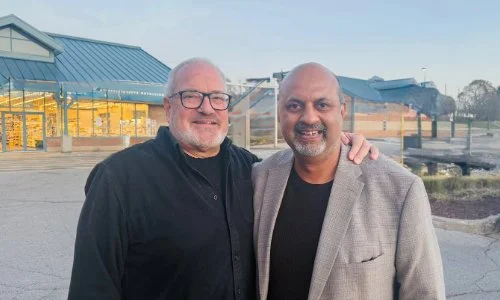
Longtime friends and former IT colleagues Vinay and Glenn have spent years using Movember to get people talking about men’s health. Glenn, a longtime Pearson IT leader, retired in 2023.
Vinay: “I started participating in Movember about 15 years ago when I was living in England, and I’ve kept it going from England to South Africa and now Canada. We’ve raised a lot of money, but for me, no amount of money can match the awareness you create just by talking to people.
“Glenn and I had an amazing relationship working together. I brought him into the campaign, and then it was later that prostate cancer became very personal for him. It made the cause even more personal for me too.”
Glenn: “Prostate cancer has affected three generations of my family: my dad, my brother and, in 2021, me. But after surgery and radiation, I’m clear to this day.
“Because of my family’s history, I’ve become pretty relentless about encouraging people to know their numbers, watch the trends over time and act quickly when something changes.
“This spring, a good friend who had heard my pitch more than once followed through. When his numbers started trending the wrong way, he acted quickly, had successful surgery and today he is cancer-free. That’s a win I’ll never stop being grateful for.”
Gabriel Bensusan: Keep the message going
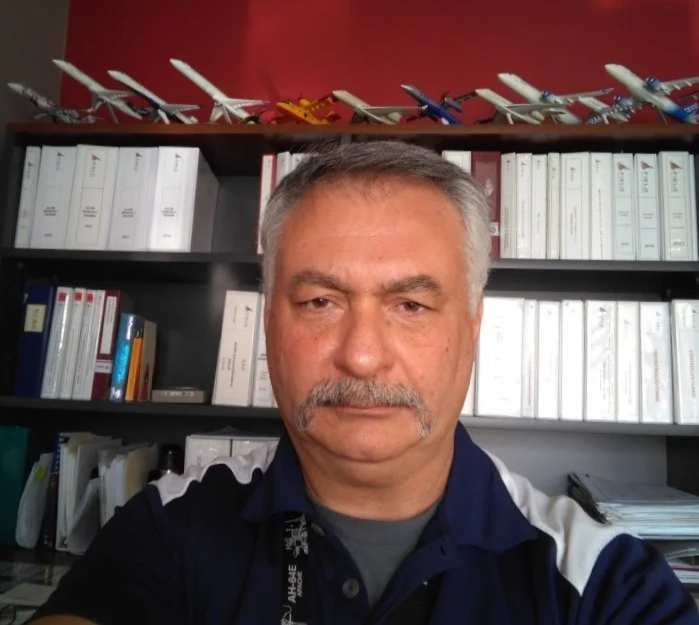
For Gabriel, Movember creates an opening to talk about things men sometimes avoid.
“I’ve lost friends to cancer, and during my time in the Canadian Forces, I lost friends to suicide. Sometimes people think, ‘You guys are strong.’ But sometimes strong doesn’t really cut it.
“Most of the time, we as men think we don’t need or want to talk about it. But we must talk about it and ask one another, 'Are you looking after yourself? Are you getting your screenings?' Those conversations are important.
“That’s why I keep participating in Movember. It’s a serious message, but Movember can be fun too. Grow the moustache, take pictures and laugh about how everyone looks. Looking ridiculous is good. It builds character.
“If we raise money, that’s a bonus. But most importantly, I’m here to pass the message so people understand why we’re doing it. Start talking to those around you.”
John Fleming: Look out for your crew

As a firefighter, John knows firsthand how important checking in with one another can be when processing difficult experiences, and he has seen those conversations become a more open part of workplace culture.
“I’ve been at Pearson for 11 years, and I’ve seen a difference in how we talk about mental health. Years ago, I don’t know if we would have had these conversations as openly. We’ve come so far in recognizing that burying things isn’t an effective way to move through them.
“At Fire and Emergency Services, we’re lucky to have a built-in family. After a difficult call, there might be a debrief, but it’s also about checking in with each other. Even the next day, somebody might text: ‘Hey man, that was a rough one. How are we feeling?’
“I hope other people have that too, or seek it out and create those bonds and friendships, including at work, so they have someone to talk to. I’ve been fortunate to always be part of teams that look out for each other.
“That’s what I like about Movember too. As ridiculous as the moustaches can look, people know there’s a reason behind them. It opens up conversations that might not have happened otherwise.”
Walter Hryshko and Marc Aquilina: Speak to someone
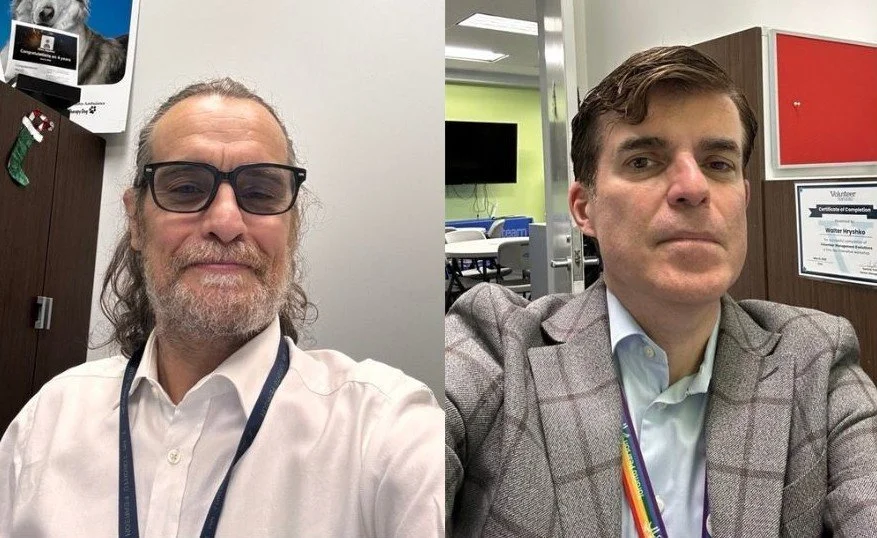
Friends and colleagues Walter and Marc say men don’t have to face difficult periods alone, and that self-care includes friendship, vulnerability and taking time for yourself when you need it.
Marc: “It’s important to have friends at work. You spend so much of your life here. If something’s up, let people know. You can’t force yourself to be someone you’re not. It’s OK to cry. It’s OK to show vulnerability or speak to someone.
“Work can help keep you grounded, and so can other things that provide purpose and connection, like spending time with friends or volunteering. You have to look after yourself too. It’s like putting on your own oxygen mask first. Sometimes that’s easier said than done.”
Walter: “It’s not a question of if tough times will happen, but when. That’s why it’s important to take care of yourself and have people you can turn to. You don’t have to pretend everything is OK. Things like grief, loss or a break-up don’t necessarily just go away. It can be like living with a chronic condition.
“As you get older, it can get harder to make friends, but you’re never too old to need them or make new ones. Friends are like chosen family. We’re fortunate that we can count on each other.
“Share whatever you’re comfortable sharing. You don’t have to tell everyone everything. The important thing is knowing you don’t have to go through difficult things alone.”
Rubin Anselmo: Sometimes a simple message matters
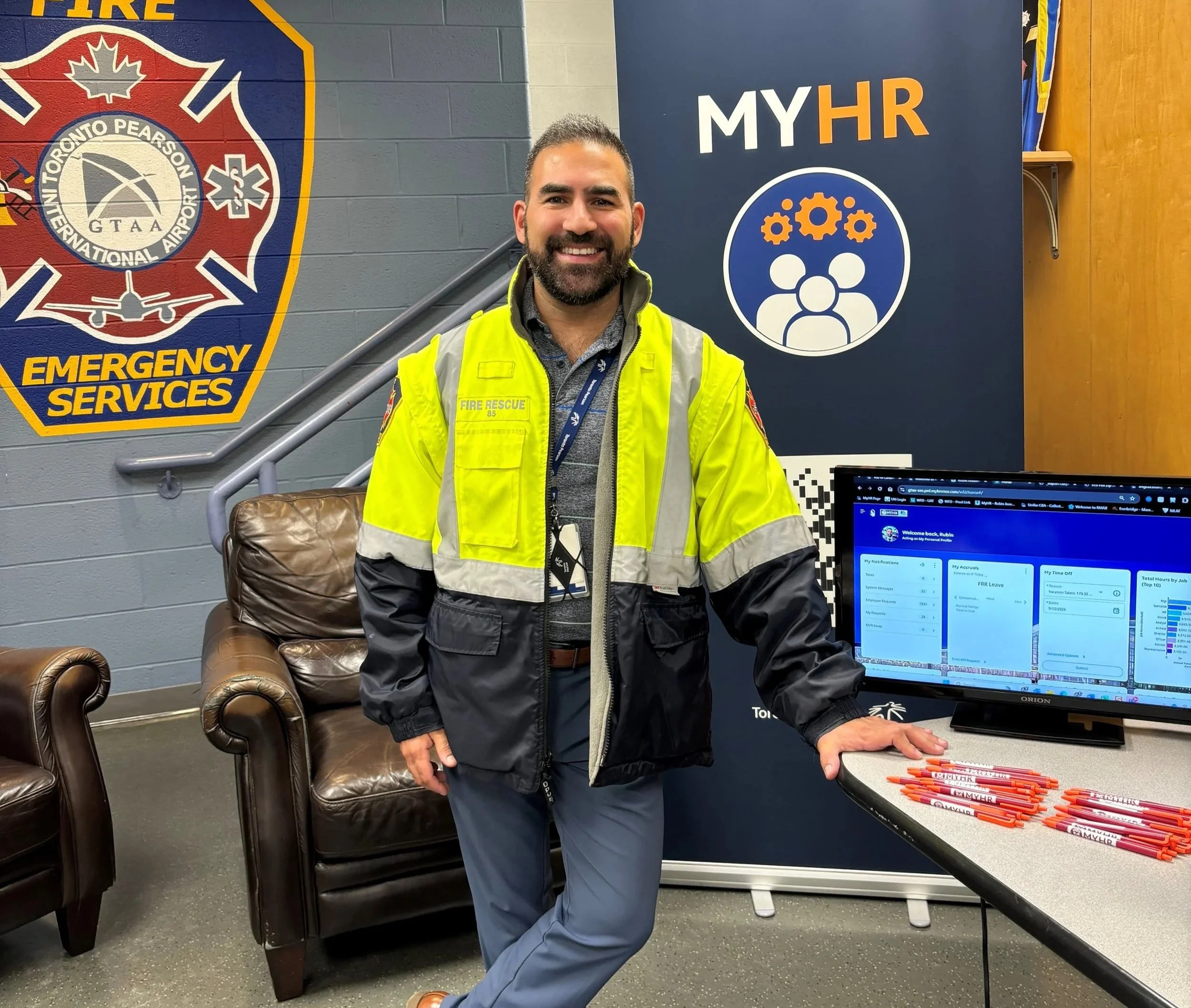
For Rubin, supporting men’s health starts with noticing when something has changed and taking a moment to reach out.
“Many of us at Pearson work in an operational, shift-working environment where we rely on one another every day. But we don’t always know what someone is carrying.
“It’s easy to focus on someone’s behaviour when something changes. Maybe instead we should be asking, ‘What’s happening with them?’ and ‘How can I help?’
“If a colleague or friend hasn’t seemed like themselves lately, reach out. It can be a conversation or a text: ‘You haven’t seemed like yourself lately. Anything I can do?’
“It takes less than a minute, but it can mean: Someone noticed. Someone cares. I’m not alone.
“Notice the change. Acknowledge it. Reach out. Be there. Sometimes, the smallest conversation can make the biggest difference.”
Whether you grow a ’stache, donate, learn more or simply check in with someone you care about, there are many ways to take part this Movember.
—
For more information about men’s health and available support, visit Movember.com and check out resources from CAMH.
—
Show us your ‘stache! Tag us on Instagram @iamtorontopearson and you may get featured on one of our stories!